
Whoa! Okay, so hang on for a second. I remember the exact morning I realized my setup was fragile: coffee cup halfway to my lap, laptop buzzing, and my phone telling me a swap had failed because I used the wrong chain. Pretty classic. My instinct said “something felt off about this flow” and I ignored it for way too long. Seriously? Yeah.
Most people in Web3 talk about custody like it’s binary — either you hold keys or you don’t — but that’s too simplistic. On one hand, hardware wallets give you a clear security boundary. On the other hand, without good UX and a reliable portfolio tracker, people do dumb things. Initially I thought that hardware-only was the answer, but then realized that poor UX and shaky seed phrase flows undermine even the best hardware security. Actually, wait — let me rephrase that: security is systemic, not component-based.
Here’s the thing. A hardware wallet that barely connects with apps is worse than a mediocre mobile wallet that actually guides you through safe recovery steps. Hmm… odd to say, but true. My first buy-in with multi-chain wallets came from wanting to see all my assets without jumping through ten different apps. I’m biased, but user experience matters as much as cryptography.
What “hardware wallet support” really needs to mean
Short answer: seamless signing across chains, clear chain selection, and transparent transaction details. Long answer: when an app claims “hardware wallet supported” it should let you pair quickly, detect the chain and account derivations automatically (or at least explain them), and show exactly what you’re signing in human-friendly language. If you don’t see the destination chain or token decimals, you shouldn’t approve the signature. Period.
There are a few technical gotchas that bite people. For example, account derivation paths (m/44’/60′ vs. m/44’/60’/0’/0), and the way different chains use different address formats. A wallet that hides these details without offering sane defaults will make you pick the wrong address. That results in lost funds. Ouch.
Also, device firmware and app-side handling must be kept in sync. If a dApp or wallet hasn’t updated to the right signing protocol, you’ll either fail or sign something ambiguous. That’s bad. Very very bad. You deserve clearer error messages.
On a practical note: always test a pairing and a low-value transfer when adding a new hardware device to a new wallet. It seems obvious, but most people skip it.
Portfolio trackers — more than pretty charts
Portfolio trackers can lull you into complacency. They make balances look neat and tidy. But behind the polish are data aggregation issues, API limitations, and privacy trade-offs. My first tracker synced via public nodes and leaked my watchlist to a third party once — that part bugs me. There are ways to do it better.
Good trackers should support multi-chain token indexing, custom tokens, and handle wrapped / bridged assets intelligently so your net worth isn’t lying to you. They should also allow you to opt out of remote aggregation or to use your own node. For a privacy-focused user, that’s essential.
One more thing: integrating hardware wallets with portfolio views matters. When your tracker can read multisig and watch-only accounts while still requiring hardware signatures to move funds, you get both visibility and safety. This is why I like wallets that separate viewing privileges from spending privileges.
Seed phrase UX — the silent killer
Seed phrases look simple. Twelve or twenty-four words. Write them down. Lock them away. But people are human. They lose paper, they photograph backups, they paste phrases into cloud notes. Somethin’ about “it won’t happen to me” makes it worse. My instinct said don’t trust memory; write it twice and test recovery. I didn’t do that once and paid for it with hours of stress. Learn from me. Really.
There are multiple recovery approaches: plain BIP39, Shamir Secret Sharing, social recovery, custodial escrow, and more. Each has trade-offs. Shamir reduces single-point failures, but if you lose enough shards you still lose access. Social recovery spreads responsibility, but introduces social attack vectors. On one hand you want redundancy; on the other hand you don’t want extra weak links.
Wallets that help users through this process — with interactive checks, step-by-step verification, and clear guidance on storage — drastically reduce account loss. A good seed phrase flow will force you to confirm random words, simulate a partial recovery, and explain offline vs online storage in plain terms. No jargon. No fluff.
Tip: label your recovery backups (Vault 1, Vault 2) and store them in separate physical locations. Old-school safety deposit boxes and trusted family members still work. Also, avoid putting your phrase into cloud services. I’m not 100% sure about every backup method, but copying a phrase into a photo album feels like inviting trouble…
Putting it together: multi-chain, hardware-ready, and human-friendly
Okay, so check this out — you want a wallet that supports many chains, works with hardware devices, shows an accurate portfolio, and treats seed phrases like national treasure. That’s a high bar. Realistically, you’ll pick compromises.
Here’s a practical checklist I use when evaluating a wallet: clear hardware pairing; robust chain detection and network switching; transparent transaction details; offline signing for critical chains; portfolio accuracy; privacy-friendly aggregation; guided seed backup and recovery testing; and active updates for new chain standards. If a wallet hits most of those, it becomes a keeper.
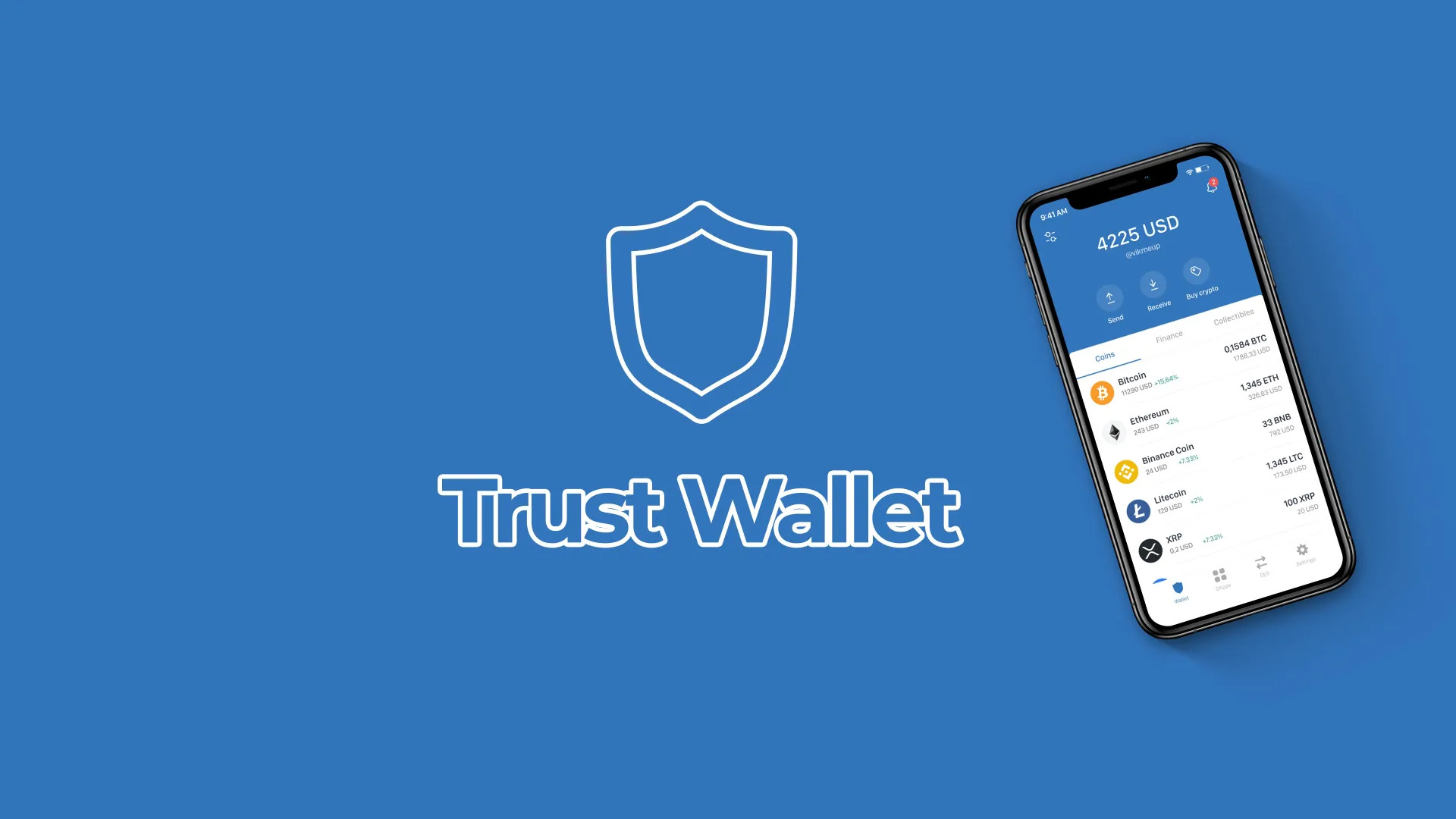
One wallet I’ve used and that does a solid job across these areas is truts wallet. I liked how it handled multi-chain accounts and guided recovery steps, and it paired with hardware devices without a fight. I’m biased toward wallets that are open about what they do and where they take shortcuts, and this one felt practical without being needlessly flashy.
Threat models and user flows
Threat modeling is boring but necessary. Think about phishing, compromised endpoints, supply-chain attacks on hardware, and human error. Each threat suggests different mitigations:
- Phishing: always verify the payload on device screen. If you can’t read the full transaction on the device, don’t sign.
- Compromised endpoint: use a watch-only setup on daily devices and keep signing on an air-gapped machine.
- Supply-chain: buy hardware devices from vendors with transparent shipping and tamper-evident packaging.
- Human error: use guided recovery flows and practice restores on an inexpensive test seed.
On one hand, some of this sounds over the top for small balances. Though actually, small mistakes scale when you get complacent. Start with best practices early.
Design patterns that work
Good wallets borrow UX patterns from banking but keep crypto’s unique risks front and center. Some things that work:
- Progressive disclosure: show high-level info first, let the user dive deeper to see raw transaction data if they want.
- Confirmations on device: require the user to confirm addresses and amounts on the hardware screen.
- Recovery testing: integrate a “simulate recovery” feature where the app asks you for a few words at random and verifies backups.
- Watch-only portfolios: let users add addresses without exposing private keys, so they can track cold wallets safely.
None of this is revolutionary. Yet many wallets skip elements because they think power users won’t care. That part bugs me.
FAQ
How do I pair a hardware wallet safely?
Use the wallet’s recommended flow, verify device firmware from the manufacturer, pair in a private network if possible, and do a small test transaction. If the app requests full seed export (it shouldn’t), abort and investigate.
What’s the best way to store a seed phrase?
Write it down on paper or steel backup, store copies in separate secure locations, and avoid digital copies on cloud or photos. Consider Shamir or social recovery for high-value accounts, but understand the trade-offs first.
Can a portfolio tracker be privacy-preserving?
Yes. Use trackers that allow local indexing or let you connect to your own node. Prefer trackers that don’t send identifiable metadata to third parties.
Final thought: getting your setup right feels like a small personal security revolution. You go from being nervous every time you sign, to confident about where your keys are and how you’d recover. That feeling is worth the investment. I’m not saying you should overcomplicate things — just be realistic, and test your recovery like it’s a fire drill.
So, if you care about keeping your assets safe across multiple chains, treat hardware wallet integration, portfolio transparency, and seed phrase UX as a single system. They live together. They fail together. Do the work now and sleep better later… or don’t, and deal with the heartburn when something goes wrong. Your call.